Getting to Thames River cruise piers

Thames River cruise piers are located along the River Thames in central London, with the main boarding points at Westminster, London Eye, Tower, and Greenwich Piers. All are well connected by the London Underground, National Rail, buses, and riverside walking routes, making them easy to reach from most parts of the city. The best departure point depends on your cruise itinerary, so check your ticket before travelling. During summer, weekends, and public holidays, allow extra time as popular piers can become busy and boarding queues may be longer.

Getting to the Thames River: Time and distance

The Thames River is the central artery of London and its main transport network. Since the river flows through the entire city, your starting point will depend on the landmark you wish to visit. The most popular way to travel is via its extensive network of river bus services and sightseeing piers.

  • Underground (Tube): Many piers are a short walk from tube stations (e.g., Westminster Pier → Westminster Station, Tower Pier → Tower Hill Station).
  • River Bus: Use the frequent Uber Boat by Thames Clippers service to travel along the River Thames, connecting 24 different piers between Putney and Barking Riverside.
  • Walking: The Thames Path National Trail runs along the riverbanks, offering continuous pedestrian access for a Thames River experience.

Recommended tour: Thames River Uber Boat Trip (A ticket grants all-day access to sightseeing boats, allowing you to easily visit multiple riverside landmarks on the Thames River at your own pace).

Accessibility: Most River Bus boats and major piers are fully wheelchair accessible. However, Cadogan Pier, London Bridge City Pier, and Wandsworth Riverside Quarter Pier may have restricted access due to steepness at low tide.

Why take a Thames River cruise?

Getting around London's riverside attractions by Tube, bus, or on foot often means navigating crowded stations, traffic, and multiple transfers. A Thames River cruise offers a more relaxed way to travel, combining transport with sightseeing as you sail past many of the city's most famous landmarks. Whether you're taking a one-way journey, a hop-on hop-off service, or a sightseeing cruise, you'll enjoy panoramic views, informative commentary, and easy access to attractions along the river.

  • Avoid busy streets: Skip crowded Tube lines and road traffic while travelling through the heart of London.
  • See London's top landmarks: Admire views of the London Eye, Big Ben, Tower Bridge, the Tower of London, and more from the water.
  • Learn as you cruise: Many cruises include live or multilingual audio commentary with insights into London's history and riverside landmarks.
  • Capture unique views: Photograph iconic bridges and landmarks from angles you can't experience on land.
  • Travel at your own pace: Hop-on hop-off cruises let you board and disembark at major piers such as Westminster, London Eye, Tower, and Greenwich to explore nearby attractions.

By Rail/Tube

Travelling by National Rail and London Underground is the most efficient and budget-friendly way, as major piers are located a short walk away.

  • Westminster Pier: Tube: Westminster (Jubilee, District, Circle Lines); rail: London Charing Cross (National Rail)
  • Tower Pier: Tube/DLR: Tower Hill (District, Circle Line)/Tower Gateway (DLR); rail: London Fenchurch Street
  • London Eye/Waterloo Pier: Tube/rail: Waterloo (Bakerloo, Jubilee, Northern, Waterloo & City Lines + National Rail)
  • Greenwich Pier: Rail/DLR: Greenwich (National Rail)/Cutty Sark (DLR)
  • Duration: Central London train/tube journeys are typically 5–20 mins.
  • Frequency: London Underground (Tube) and Overground services run every few minutes. National Rail frequency depends on the line.
  • Ticketing tip: The simplest method is to use a contactless debit/credit card or an Oyster Card (Pay As You Go) for all Tube, DLR, and most London rail journeys. 

By Bus

Bus travel is an affordable way to get close to the attractions along the Thames River, but patience is essential as London traffic can be heavy. Most major central London piers (like Westminster, Tower, and the London Eye) are served by dozens of bus routes originating from all parts of the city.

  • Key stops: Look for routes ending near the river (e.g., bus numbers 11, 24, 88).
  • Travel time: 30 mins (45-60+ mins during peak hours or weekends)
  • Fare: Single adult bus fare is £1.75. Payment is contactless (bank card, mobile device, or Oyster card); cash is not accepted.
  • Frequency: Every 5–15 mins throughout the day
  • Best for: Budget travellers, and connecting to locations not on a Tube line
  • Cons: Significantly slower than the Tube or River Bus, with unpredictable travel times due to congestion

By Car

  • Routes: Via A4, A40, M4, M25 (Central London)
  • Drive time: 2+ hours from outside London to the centre
  • Parking: Extremely scarce & costly. Parking near central Thames River attractions (like Westminster) is limited to expensive multi-story car parks (£5-£10+ per hour, £35+ for the day).
  • Traffic: Congestion is severe year-round. Factor in the Congestion Charge and ULEZ fees for driving in central London.
  • Con: Driving in central London is rarely practical due to traffic, congestion charges, and expensive parking. However, it's a good option for exploring the Upper Thames, giving you the flexibility to visit riverside villages and scenic stretches that are harder to reach by public transport.

Compare your options

ModeDuration Cost Best forKey notes

River Bus (Uber Boat by Thames Clippers)

20–50 mins (e.g., London Eye Pier to Greenwich)

From £5.90 (Oyster/Contactless)

Commuters, fast transport, clear view photography.

Fastest river travel. Accepts Oyster/Contactless (cheaper than the ticket office). No guided commentary.

Tube/Train (London Underground/TfL Rail)

5–20 mins (Station to riverside attraction)

£2.70–£6.70 (Single journey with Oyster/Contactless)

Speed, all-weather travel, and getting to specific piers quickly.

London Bridge, Westminster, Tower Hill, and Canary Wharf stations are all great starting points for Thames River cruises.

Bus

Varies greatly with traffic (30–60+ mins)

£1.75 (Single journey with Oyster/Contactless)

Budget travel, local experience, and getting to less-central sections of the Thames River.

Great for linking different parts of the city. Use the £5.25 Daily Cap for unlimited bus travel.

Walking/Thames Path

Flexible

Free

Photographers, budget travellers, and for seeing hidden spots along the Thames River.

The Thames Path runs along both banks, allowing you to walk right past famous attractions and piers.

Getting around London

  • Walking: Central London is best explored on foot, especially around Westminster, the South Bank, and Tower Bridge. Many Thames River cruise piers and major attractions are within a 10–20 minute walk of each other, while riverside paths offer pleasant, traffic-free routes with great views.
  • London Underground (Tube): The Tube is the fastest way to travel across the city, with stations just a short walk from Westminster, London Eye, Tower, and Greenwich Piers. Use a contactless bank card, mobile wallet, or Oyster card for the best fares, and avoid weekday rush hours (around 7:30–9:30am and 4:30–6:30pm) if possible.
  • Buses: London's red buses are a good option if you want to sightsee as you travel. They stop near most major attractions and cruise piers, although journey times can be longer than the Tube due to traffic. All buses are cash-free and accept contactless payment or Oyster cards.
  • River buses & sightseeing cruises: Scheduled river buses and many sightseeing cruises call at key piers including Westminster, London Eye, Tower, and Greenwich. They're slower than the Tube but offer a scenic, traffic-free journey and can double as transport between riverside attractions. Check your ticket or operator's route before travelling, as stopping points vary.
  • Black cabs & ride-hailing: Black cabs can be hailed on the street or found at taxi ranks, while ride-hailing apps operate across London. They're convenient for direct, door-to-door journeys or late-night travel, but traffic and higher fares during busy periods can make them less practical for sightseeing.
  • Car: Driving in central London is generally not recommended due to heavy traffic, the Congestion Charge, the Ultra Low Emission Zone (ULEZ), and expensive parking. Public transport is usually quicker and more convenient unless you're travelling beyond central London.

Things to see on a Thames River cruise

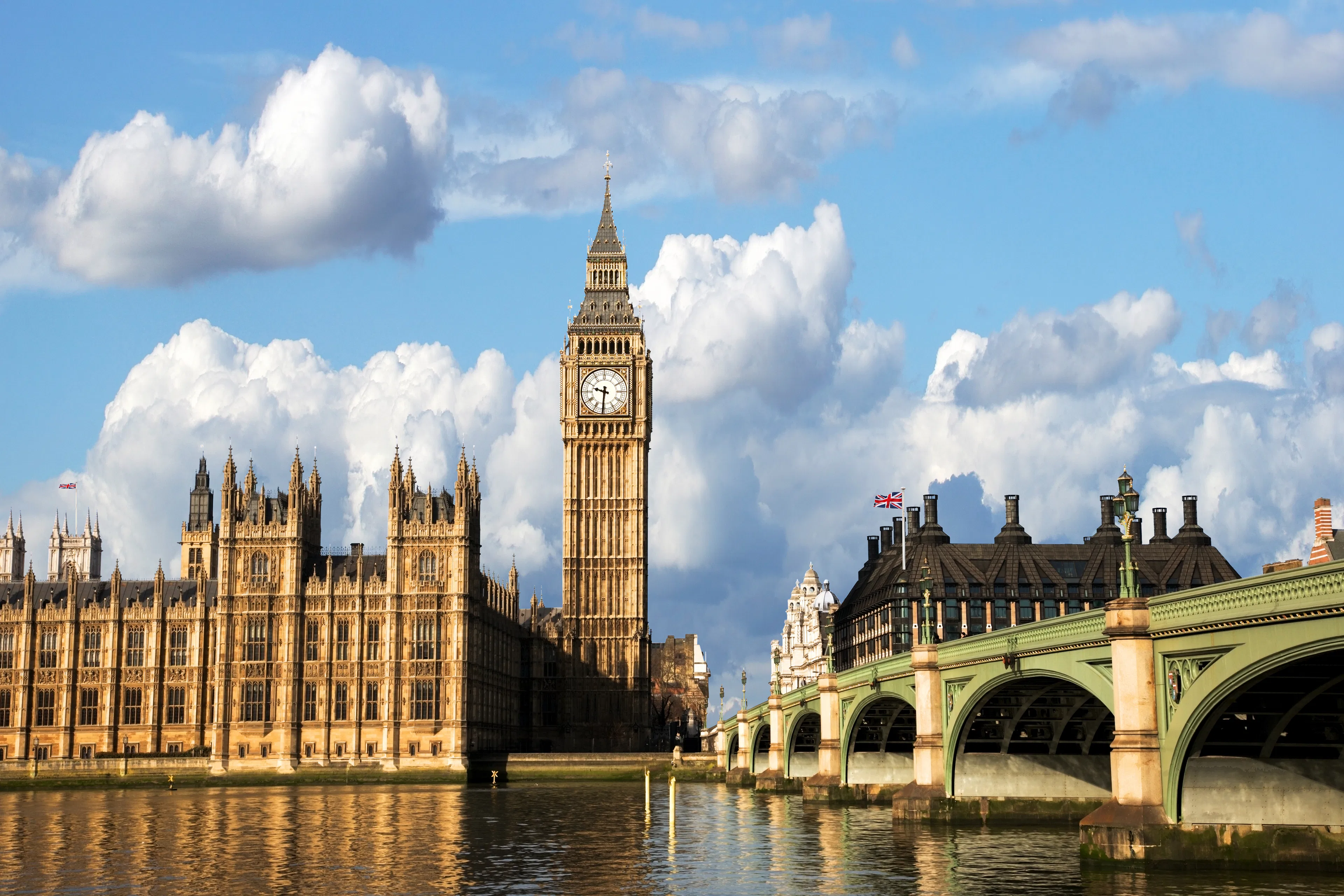
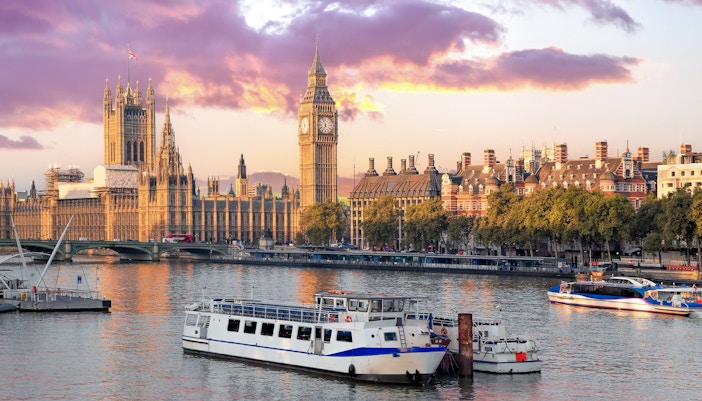
Big Ben and Palace of Westminster viewed from South Bank, London.
1/10

Houses of Parliament

The Palace of Westminster is the seat of the UK Parliament, home to the House of Commons and House of Lords. Its Gothic Revival facade stretching along the riverbank is one of London's most recognisable sights from the water.

Elizabeth Tower (Big Ben)

The clock tower at the north end of the Houses of Parliament, officially renamed the Elizabeth Tower in 2012. It houses the Great Bell known as Big Ben, and seeing it rise straight from the water gives you a totally different angle than any street-level photo.

Tower Bridge

The Victorian drawbridge that's become shorthand for London itself. Passing beneath its towers lets you appreciate the engineering up close, especially if you time it right and catch the bascules lifting for river traffic.

Tower of London

This UNESCO World Heritage Site has stood guard over the river for nearly 1,000 years, once holding the Crown Jewels and a history of royal prisoners. From the water, its fortress walls look every bit as imposing as they did centuries ago.

London Eye

Europe's tallest cantilevered observation wheel dominates the South Bank skyline. Gliding right beneath it is a striking contrast: one ride takes you up into the sky, the other passes at water level.

St Paul's Cathedral

Sir Christopher Wren's baroque masterpiece and its dome have watched over London since the 17th century. It's especially dramatic at golden hour, when the stone catches the light above the rooftops.

The Shard

Western Europe's tallest building pierces the skyline near London Bridge. Its glass facade reflects the sunset beautifully, making it one of the best modern-meets-historic contrasts visible from the river.

Shakespeare's Globe & South Bank

The reconstructed Globe Theatre and the lively South Bank walkway drift past on the riverbank, a reminder of where Shakespeare's plays first came to life. It's the local, lived-in London that balances out all the grand landmarks.

Canary Wharf

London's glittering financial district, all glass towers and modern skyscrapers, comes into view as a sharp contrast to the historic core further upstream. It's especially striking lit up after dark.

Cutty Sark & Maritime Greenwich

This restored 19th-century tea clipper sits proudly at Greenwich, a UNESCO World Heritage Site steeped in naval history. It's a fitting final view if your cruise runs all the way east.

Suggested itinerary for London

St Paul's Cathedral viewed from Millennium Bridge, London, part of Golden Tours 24Hrs Hop On Hop Off.
  • Begin your exploration by tackling the Thames River via a River Bus or sightseeing cruise from Westminster Pier. This scenic journey glides past landmarks like Big Ben, the London Eye, and St Paul's Cathedral. Hop off at the Tower of London to explore this historic castle, which has guarded the river for nearly 1,000 years.
  • Instead of a cruise, you can also walk the South Bank for great views and street entertainment, then cross the Millennium Bridge to reach St Paul's Cathedral.
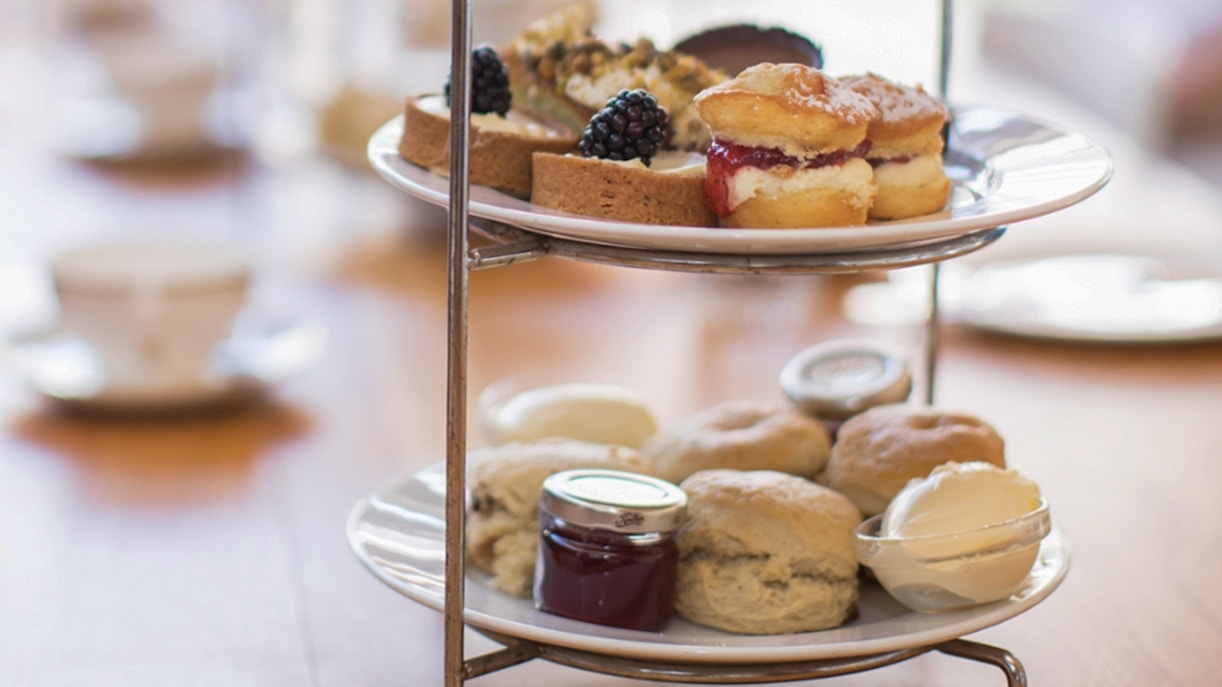
Afternoon tea with scones and pastries at Westminster Abbey tour.
  • Have a relaxed meal near the river. The Borough Market (near London Bridge) offers incredible food choices, or you can find a classic riverside pub on the South Bank for traditional fish and chips while watching the river traffic go by on the River Thames.
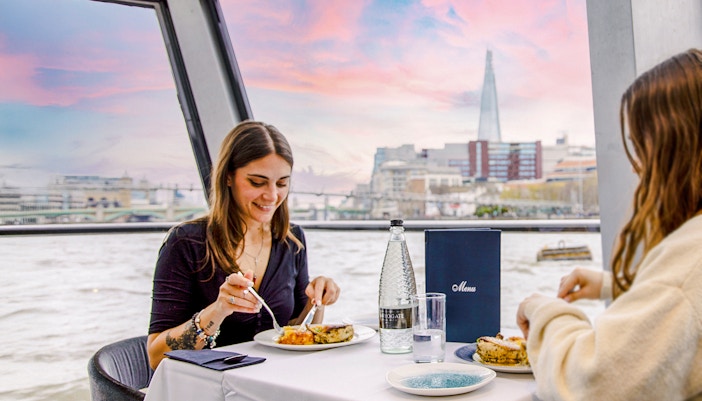
  • For an upper-class experience, book an Afternoon Tea cruise for a unique view and meal combined on the Thames River.
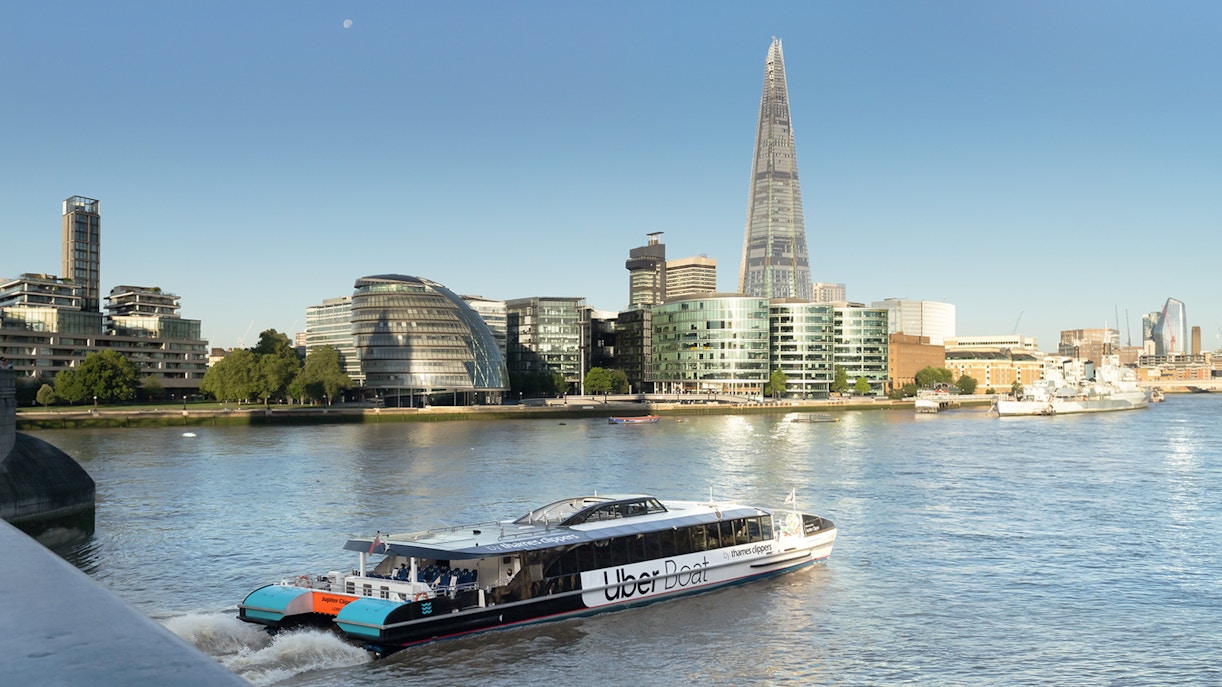
Uber Boat by Thames Clippers on the River Thames with London skyline.
  • After lunch, walk across Tower Bridge and explore the Tower Bridge Exhibition to learn about its history and engineering. 
  • For a modern counterpoint, take a quick trip on the Uber Boat by Thames Clippers further east to see the skyscrapers of Canary Wharf, showcasing the Thames River's modern commercial role.
  • If you prefer history over skyscrapers, head upstream on the train to visit the National Trust's Old Deer Park or Kew Gardens, which border the non-tidal Thames River.
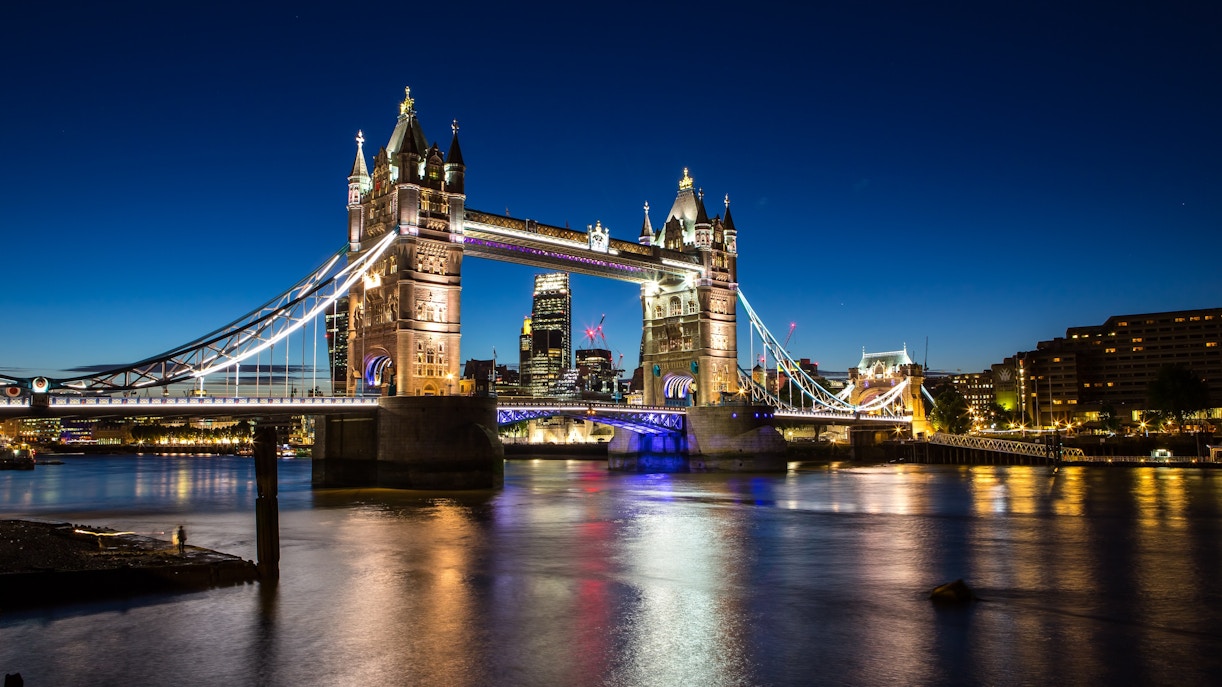
Tower Bridge in London at night
  • The evening is the best time for getting back to central London on the Thames, as the city’s nine central bridges are illuminated as part of the "Illuminated River" art project. Consider a dinner cruise or simply walk along the Embankment to see the sights glowing against the night sky.
  • Catch a performance at the National Theatre or Shakespeare’s Globe on the South Bank before heading home.

Handy tips

  • Best time to visit the Central Thames: For the best photos and to avoid the biggest crowds at piers like Westminster and Tower Bridge, aim for the shoulder seasons (late April, May, and September). A river cruise at dusk offers spectacular views of the illuminated skyline, but book this popular time slot well in advance.
  • Use a day pass: If you plan on taking multiple trips on the river, purchasing an unlimited one-day hop-on, hop-off ticket for the River Bus services (like the Uber Boat by Thames Clippers) is an excellent way to get around the Thames River and navigate between London landmarks, at a substantial saving compared to single fares.
  • Seasonal insight for the Upper Thames: If you're exploring the non-tidal areas (like Henley, Reading, or Oxford), some boat and ferry services have limited operations or cease completely outside the main boating season of April to October. Always check the local lock and boat schedules before planning a trip.
  • Check tide times: The tidal stretch of the Thames River in London rises and falls by up to seven meters! For experiences like mudlarking or simply walking along the foreshore (which can be restricted), ensure you check the Port of London Authority's tide tables for safety and access.
  • Tip for the Thames Path: While the entire trail is a National Path, sections, especially in rural areas, can become muddy and slippery, particularly in winter. Pack appropriate, sturdy footwear to ensure a pleasant walk.

Frequently asked questions about getting to the Thames River

Operating hours may vary depending on the pier and the season. Most Thames River piers operate throughout the day, starting from 10am to 6pm.

More reads